In the Most Expensive City in the Country, Reimagining the Right to Housing
A collaboration between the Research Lab at Liebling Haus, the Department of Architecture at Bezalel Academy of Arts and Design, and the Strategic Planning Unit of the Tel Aviv-Yafo Municipality.
Urban plots designated for public housing in the most expensive city in the country, within a newly planned waterfront neighborhood. Sounds like science fiction? Perhaps. Yet this very “science fiction” is currently being explored by the Strategic Planning Unit of the Tel Aviv-Yafo Municipality together with us at the Liebling Haus Research Lab through The Urban Kibbutz project, as we attempt to imagine — and formulate — this very near future.
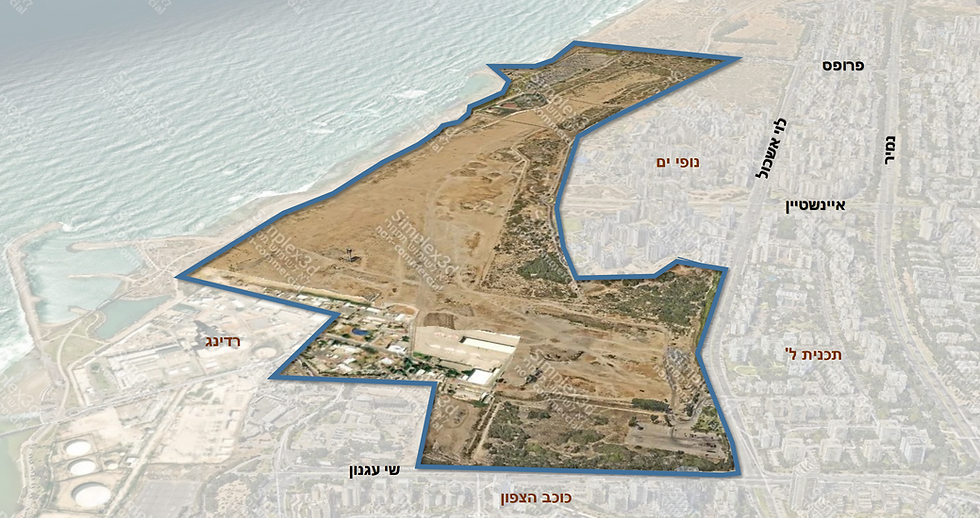
As part of the international research project The Urban Kibbutz, developed by the Research Lab in collaboration with City of Frankfurt, we seek to examine affordable housing models capable of balancing high urban density with quality of life and meaningful community structures. To this end, we invited architect Uri Shalom and his students from Studio 4 at the Department of Architecture at Bezalel Academy of Arts and Design to establish a living laboratory in which academia serves as a platform for open-ended inquiry, critical questioning, and the re-examination of the planning assumptions currently shaping the housing market.
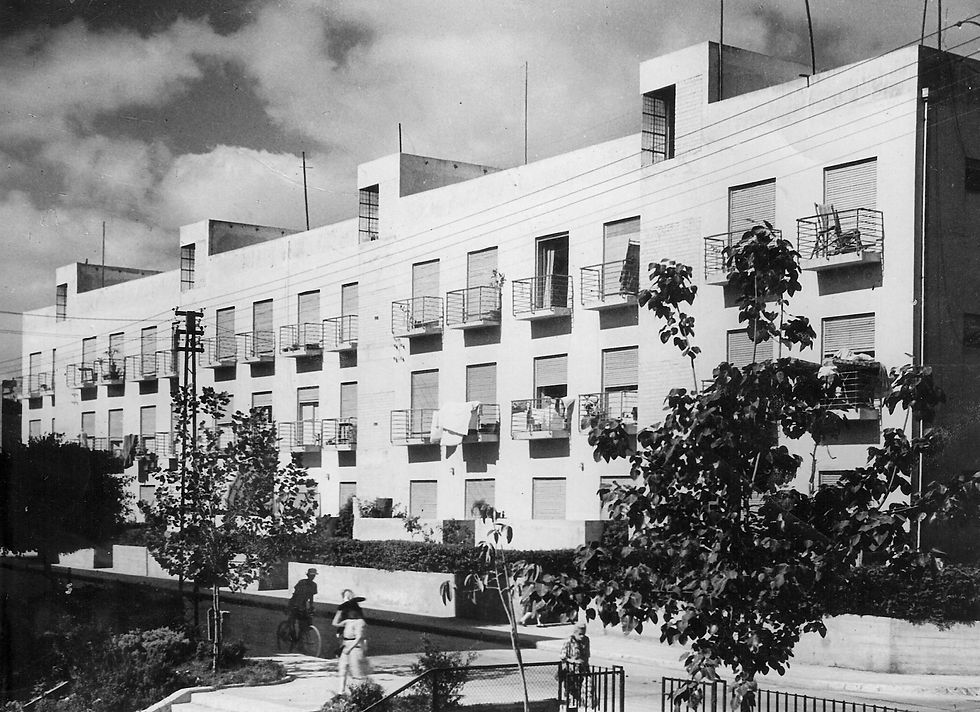
We gathered at Liebling Haus, where the permanent exhibition provided the ideal setting to discuss a pressing question: How will we live here a decade from now? The exhibition reminded us that the urban fabric we preserve today was itself born from the radical social visions of the early twentieth century, laying the groundwork for a contemporary discussion of housing in the twenty-first century — not merely as a real-estate commodity, but as a critical component of urban resilience.
Throughout the symposium, the lectures highlighted the complex tensions within which the municipality currently operates: on the one hand, neoliberal market pressures and soaring land values; on the other, a civic commitment to advancing inclusive and affordable housing policies that can ensure Tel Aviv-Yafo remains accessible to a broad and diverse population in the years ahead.
To ground the discussion in practical realities rather than academic utopia alone, practitioners from the field joined the conversation. Architect Hila Yerushalmi revealed the inner workings involved in planning an entirely new neighborhood from scratch; architect Amichai Sagie demonstrated how quality of life can be designed within rigid plot constraints; and Ella Bar provided the broader urban perspective — illustrating how economics, social policy, and planning strategy can be woven together into a cohesive housing framework.
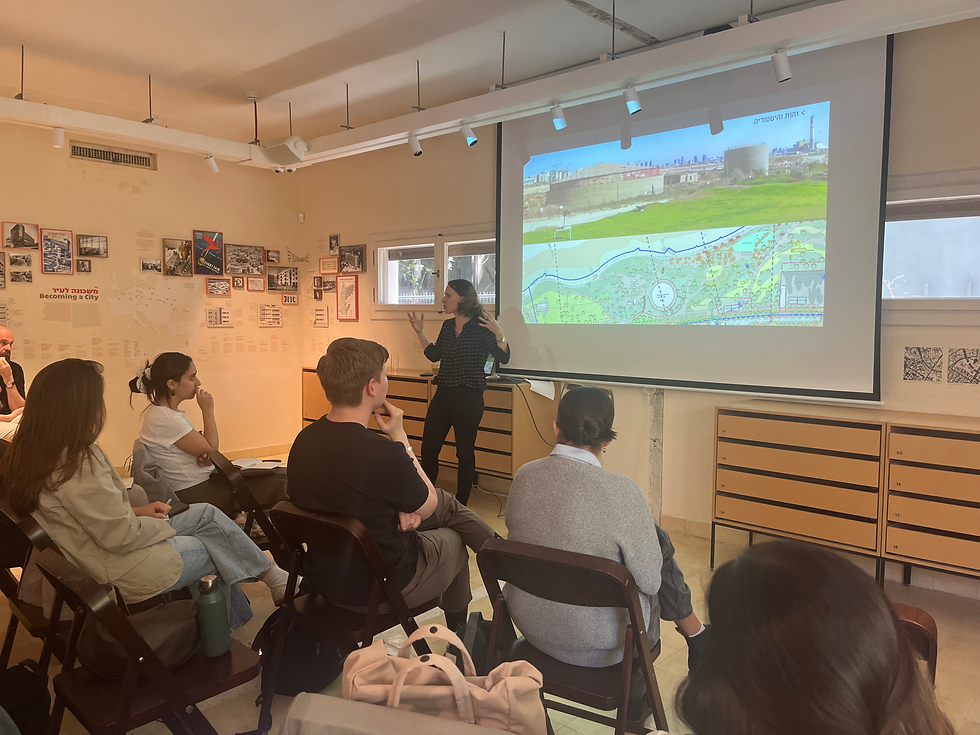
The students were introduced to municipal housing data and policy frameworks, and were tasked with addressing complex questions surrounding economic feasibility, development models, and the formulation of a vision for a neighborhood community in which residents from the highest socio-economic brackets coexist alongside accessible public housing.
The Research Lab offered a journey through cooperative and collective housing models from around the world, presenting new yet attainable visions for urban renewal in Tel Aviv. The project explored how the knowledge accumulated through more than a century of public housing can — and should — be translated into practical, high-quality housing solutions for Israel in 2026. Students were encouraged to develop architectural and spatial schemes with particular emphasis on communal and public space as an inseparable component of urban living.
In order to imagine what currently appears impossible, the collaboration with students — the next generation of planners and architects in Israel — forms an essential part of the ongoing dialogue that Liebling Haus maintains on the future of housing in the city. This is a rare opportunity to witness how theoretical research, municipal policy, and academic creativity converge to propose new possibilities for sustainable urban living. The studio’s final projects will be presented at the end-of-year reviews at Bezalel and published this coming summer in the project booklet.


תגובות